
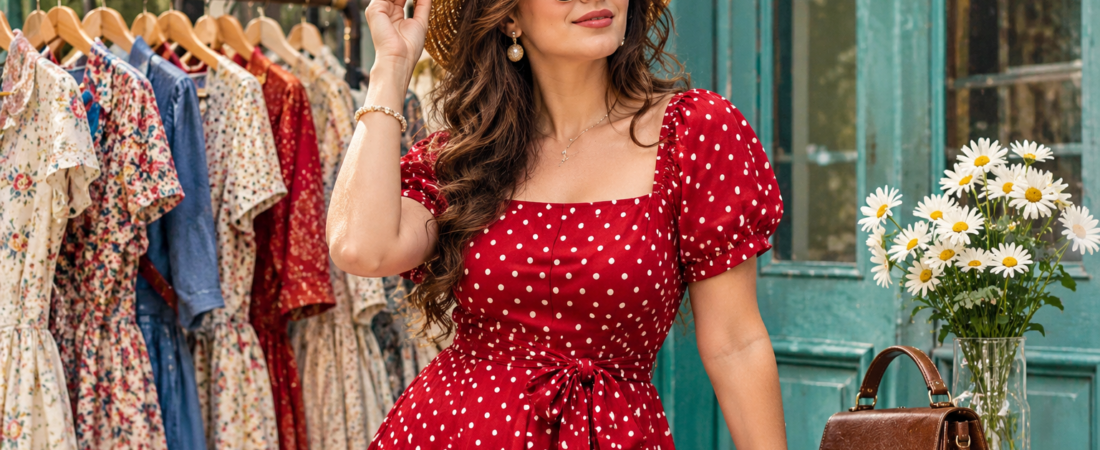
Fashion trends come and go, but some clothing styles never lose their charm. From elegant dresses and classic denim to oversized jackets and beautiful accessories, vintage clothing continues to inspire people who appreciate timeless fashion. It offers a unique way to explore different decades, express personal style, and create outfits that stand out from modern mass-produced trends.
Over the years, vintage fashion has become increasingly popular among people who enjoy classic designs, distinctive fabrics, and clothing with a history. Whether you love the elegance of the 1950s, the relaxed denim styles of the 1990s, or the bold looks of the 1980s, there is something interesting to discover in every fashion era.
One of the best things about vintage clothing is its versatility. Older garments can be combined with modern wardrobe essentials to create outfits that feel both traditional and contemporary.
Whether you are new to vintage fashion or already enjoy collecting older clothing, this guide explores popular styles, shopping tips, outfit inspiration, and practical ways to build a timeless wardrobe.
What Is Vintage Clothing?
Vintage clothing refers to garments that come from earlier fashion periods and represent the designs, materials, and styling preferences of their time.
The term is commonly used for clothing that is approximately 20 years old or older, although definitions can vary among fashion sellers and collectors.
Vintage garments can include dresses, coats, shirts, jeans, skirts, jackets, sweaters, footwear, and accessories.
Each decade has its own recognizable fashion characteristics. For example, the 1950s are associated with full skirts and tailored silhouettes, while the 1970s introduced popular styles such as flared trousers, colorful prints, and bohemian clothing.
The 1980s became known for bold colors, oversized silhouettes, and statement accessories. Meanwhile, the 1990s brought minimalist dresses, relaxed denim, grunge-inspired outfits, and casual streetwear.
Vintage clothing is appreciated not only for its appearance but also for its connection to fashion history and individual expression.
History and Evolution of Vintage Fashion
Vintage fashion reflects the changing lifestyles, cultural movements, and creative influences of different generations.
Every decade introduced new designs and clothing preferences that continue to influence modern fashion.
1920s: Elegant and Decorative Fashion
The 1920s introduced a distinctive approach to women’s clothing. Dresses often featured relaxed silhouettes, decorative details, fringe, embroidery, and intricate beadwork.
Cloche hats, long necklaces, and elegant evening accessories also became recognizable fashion elements.
These designs remain popular among people interested in vintage-inspired evening wear and historical fashion.
1940s: Practical and Structured Clothing
Fashion during the 1940s was influenced by changing social and economic conditions.
Women’s clothing often featured structured shoulders, tailored jackets, practical skirts, and simple designs.
Utility clothing became important during this period, while elegant accessories helped complete everyday outfits.
1950s: Feminine Silhouettes and Full Skirts
The 1950s became famous for fitted waistlines, full skirts, tailored dresses, and elegant accessories.
Polka-dot patterns, cardigan sweaters, petticoats, and classic footwear were popular styling elements.
This decade remains an important source of inspiration for vintage dresses and feminine retro outfits.
1960s: Mod Fashion and Bold Patterns
The 1960s introduced shorter hemlines, geometric prints, colorful clothing, and more experimental silhouettes.
Mini skirts, shift dresses, knee-high boots, and statement accessories became recognizable parts of the decade.
Mod fashion continues to influence contemporary collections through its clean shapes and bold visual designs.
1970s: Bohemian and Relaxed Fashion
The 1970s brought a variety of expressive styles, including bohemian clothing, flared trousers, denim, and colorful patterns.
Maxi dresses, wide collars, suede jackets, platform shoes, and embroidered garments became popular choices.
Many modern boho-inspired outfits still draw inspiration from this era.
1980s: Bold Colors and Statement Clothing
The 1980s were recognized for dramatic fashion choices and expressive silhouettes.
Oversized blazers, shoulder pads, colorful sweaters, leather jackets, bright leggings, and statement accessories were popular.
The decade encouraged people to experiment with stronger colors and more noticeable clothing combinations.
1990s: Minimalism and Casual Streetwear
The 1990s introduced a different approach to everyday fashion.
Baggy jeans, slip dresses, flannel shirts, oversized sweaters, denim jackets, and simple tops became recognizable wardrobe pieces.
Grunge, minimalist fashion, and hip-hop streetwear all influenced the decade.
Today, 1990s-inspired vintage clothing remains popular among people who appreciate relaxed and versatile outfits.
Popular Vintage Clothing Styles
Vintage fashion includes many different aesthetics, allowing people to explore clothing from several decades.
Here are some popular styles worth knowing.
1. Classic Vintage Fashion
Classic vintage fashion focuses on timeless clothing designs that remain attractive across generations.
Tailored dresses, structured coats, button-down shirts, elegant skirts, and simple knitwear are common examples.
Neutral colors, traditional patterns, and well-made fabrics help create outfits that feel sophisticated without appearing overly complicated.
2. Retro Bohemian Fashion
Bohemian vintage fashion is known for its relaxed appearance, artistic details, and expressive patterns.
Common clothing pieces include:
- Floral maxi dresses.
- Embroidered blouses.
- Flared trousers.
- Suede jackets.
- Fringe details.
- Loose-fitting skirts.
- Patterned scarves.
Natural-looking fabrics, earthy colors, and layered accessories often complete this style.
3. Vintage Denim Fashion
Denim has remained an important part of fashion for several decades.
Vintage denim clothing includes high-waisted jeans, denim jackets, relaxed trousers, denim skirts, and classic overalls.
Different denim washes and older garment details can give outfits a distinctive appearance.
A vintage denim jacket paired with a simple T-shirt and modern trousers is an easy way to incorporate this style into everyday clothing.
4. Vintage Grunge Fashion
Grunge fashion became popular during the 1990s and remains a recognizable vintage style.
It often includes flannel shirts, ripped jeans, oversized sweaters, graphic T-shirts, leather jackets, and combat boots.
The style focuses on relaxed combinations rather than perfectly coordinated outfits.
5. Vintage Minimalist Fashion
Minimalist vintage clothing emphasizes simple designs, clean lines, and versatile pieces.
Slip dresses, plain shirts, tailored trousers, neutral sweaters, and classic jackets are common examples.
This style is useful for people who prefer understated outfits that can be worn on different occasions.
6. Vintage Streetwear
Vintage streetwear combines older casual clothing with influences from music, sports, and youth culture.
Popular pieces include graphic sweatshirts, oversized T-shirts, sports jackets, relaxed jeans, sneakers, and baseball caps.
This style works particularly well when vintage garments are combined with contemporary casual clothing.
Vintage Clothing for Women
Women’s vintage clothing offers a wide selection of dresses, skirts, trousers, jackets, and accessories from different fashion periods.
Each era has its own unique designs, making it possible to create many different outfits.
Vintage Dresses
Vintage dresses are among the most recognizable pieces in classic women’s fashion.
Popular options include:
- 1950s fit-and-flare dresses.
- 1960s shift dresses.
- 1970s floral maxi dresses.
- 1980s statement dresses.
- 1990s slip dresses.
These designs can be styled for everyday wear, celebrations, parties, and special occasions.
Vintage Skirts
Vintage skirts come in several shapes and lengths.
Full-circle skirts, pleated skirts, pencil skirts, A-line skirts, and maxi skirts are popular choices.
A classic skirt can be combined with a fitted top, cardigan, blouse, or modern T-shirt to create different looks.
Vintage Blouses and Shirts
Older blouses often feature decorative collars, embroidery, puffed sleeves, lace details, and interesting prints.
Button-down shirts and relaxed blouses can also be paired with modern jeans or tailored trousers.
These garments are useful for adding vintage character to everyday outfits.
Vintage Jackets and Coats
Jackets and coats can make a vintage outfit more distinctive.
Popular choices include leather jackets, denim jackets, trench coats, wool coats, suede jackets, and tailored blazers.
When choosing older outerwear, check the lining, buttons, seams, and fabric condition to ensure that the garment remains wearable.
Vintage Jeans and Trousers
Vintage denim is appreciated for its older cuts, washes, and distinctive details.
High-waisted jeans, straight-leg denim, flared trousers, and relaxed-fit pants can all contribute to a classic outfit.
Pair them with simple tops, boots, sneakers, or vintage-inspired accessories.
How to Style Vintage Clothing
Wearing vintage garments does not mean that every part of your outfit needs to come from the same decade.
Combining older pieces with modern basics is often one of the easiest ways to create a balanced look.
Here are some practical outfit ideas.
1. Everyday Casual Outfit
Wear vintage straight-leg jeans with a simple white T-shirt and a denim jacket.
Add comfortable sneakers and a small shoulder bag to complete the outfit.
This combination works well for shopping, meeting friends, and everyday activities.
2. Elegant Vintage Outfit
Choose a classic midi dress with delicate jewelry and simple footwear.
A small handbag and a lightweight cardigan can complete the appearance without making the outfit feel too complicated.
3. Bohemian Inspired Outfit
Combine a floral maxi skirt with an embroidered blouse or a relaxed top.
Add a leather belt, comfortable sandals, and a patterned scarf for a more expressive vintage look.
4. Vintage Streetwear Outfit
Pair an oversized graphic sweatshirt with relaxed denim and sneakers.
A baseball cap or crossbody bag can add another casual detail.
5. Classic Office Outfit
Wear tailored vintage trousers with a simple blouse and a structured blazer.
Choose comfortable loafers or other suitable footwear for a polished appearance.
6. Evening Vintage Outfit
A satin slip dress, elegant earrings, and classic heels can create a beautiful evening combination.
Choose accessories that complement the dress instead of competing with its design.
Best Vintage Clothing Accessories
Accessories are an important part of creating a complete vintage-inspired outfit.
Even a simple modern clothing combination can look more distinctive with carefully selected vintage details.
Vintage Handbags
Older handbags often feature unique shapes, hardware, decorative stitching, and materials.
Small structured handbags, leather shoulder bags, and classic clutch designs can complement many vintage outfits.
Jewelry
Vintage-inspired jewelry includes brooches, pearl necklaces, hoop earrings, bracelets, rings, and decorative pendants.
These pieces can add character to both casual and formal clothing.
Scarves
Patterned scarves are versatile accessories that can be worn around the neck, tied to a handbag, or styled in different ways.
Floral prints, geometric designs, and classic patterns work well with vintage clothing.
Belts
Leather belts, decorative buckles, and classic waist belts can add detail to dresses, trousers, and skirts.
Vintage Footwear
Popular vintage-inspired footwear includes loafers, Mary Jane shoes, ankle boots, platform shoes, and classic leather sandals.
Choose footwear based on comfort and the overall style of your outfit.
How to Shop for Vintage Clothes
Finding good vintage garments requires patience and attention to detail.
Whether you shop online or visit physical vintage stores, checking the condition and fit of clothing is important.
1. Check the Garment Condition
Inspect clothing for stains, holes, loose stitching, damaged zippers, and missing buttons.
Some minor signs of age are normal, but serious damage may require expensive repairs.
2. Check Measurements Carefully
Vintage sizing can differ significantly from modern clothing sizes.
Always compare garment measurements with your own measurements when shopping online.
Pay particular attention to the bust, waist, hips, shoulders, and garment length.
3. Understand Fabric Quality
Older garments can be made from cotton, wool, silk, denim, leather, and synthetic materials.
Check fabric labels when available and examine the material for thinning, fading, or damage.
4. Look for Authentic Details
Original labels, stitching, buttons, fabric patterns, and construction details may provide clues about a garment’s age and origin.
However, no single detail guarantees authenticity.
5. Buy Pieces You Can Actually Wear
It is easy to become interested in unusual vintage designs, but practical clothing choices are often more useful.
Look for garments that match your wardrobe and can be combined with other pieces you already own.
6. Understand Return Policies
When shopping online, check seller reviews, product descriptions, measurements, photographs, and return conditions.
This can help reduce the risk of purchasing clothing that does not match your expectations.
Vintage Clothing vs. Retro Clothing
Vintage and retro clothing are related terms, but they do not mean exactly the same thing.
Vintage clothing generally refers to original garments from earlier fashion periods.
Retro clothing, on the other hand, refers to newer garments designed to imitate or take inspiration from older fashion styles.
For example, an original 1970s floral dress is vintage clothing, while a dress manufactured today using a 1970s-inspired pattern is retro clothing.
Both styles can be used to create beautiful outfits, but understanding the difference is helpful when shopping for authentic older garments.
Why Is Vintage Fashion Still Popular?
Vintage fashion continues to attract attention because it combines personal expression, historical design, and wardrobe versatility.
There are several reasons behind its lasting popularity.
Unique Clothing Designs
Vintage garments often feature patterns, cuts, details, and construction techniques that are less common in modern mass-market collections.
This makes them appealing to people who enjoy distinctive clothing.
Sustainable Fashion Choices
Buying secondhand clothing can extend the useful life of existing garments and reduce the need for new production.
However, the environmental impact of a purchase also depends on transportation, garment care, and how frequently the item is worn.
Inspiration From Different Decades
Every decade offers something different.
People can explore the elegance of the 1950s, the bohemian influence of the 1970s, the bold styling of the 1980s, and the casual appearance of the 1990s.
Personal Style
Vintage clothing provides opportunities to experiment with different combinations and develop a wardrobe that feels individual.
There is no need to follow one particular fashion era. Mixing pieces from different periods can create a more personal appearance.
Interest in Fashion History
Some people enjoy vintage clothing because it connects them with the history of design, popular culture, music, and changing lifestyles.
Older garments can offer an interesting look at how fashion has developed over time.
Final Thoughts
Vintage clothing offers a beautiful way to explore timeless fashion while creating outfits that reflect your personal style. From elegant dresses and classic denim to bohemian designs and relaxed streetwear, every fashion decade brings something different to the wardrobe.
The best approach is to choose garments that you genuinely enjoy wearing, pay attention to quality and fit, and experiment with combinations that suit your lifestyle.
You can start with a vintage jacket, a classic dress, a pair of older denim jeans, or a distinctive accessory. Combine these pieces with modern wardrobe essentials to create outfits that feel fresh while preserving their vintage character.
Ultimately, vintage fashion is not simply about wearing old clothes. It is about appreciating different styles, discovering unique designs, and giving timeless garments a place in modern everyday fashion.