
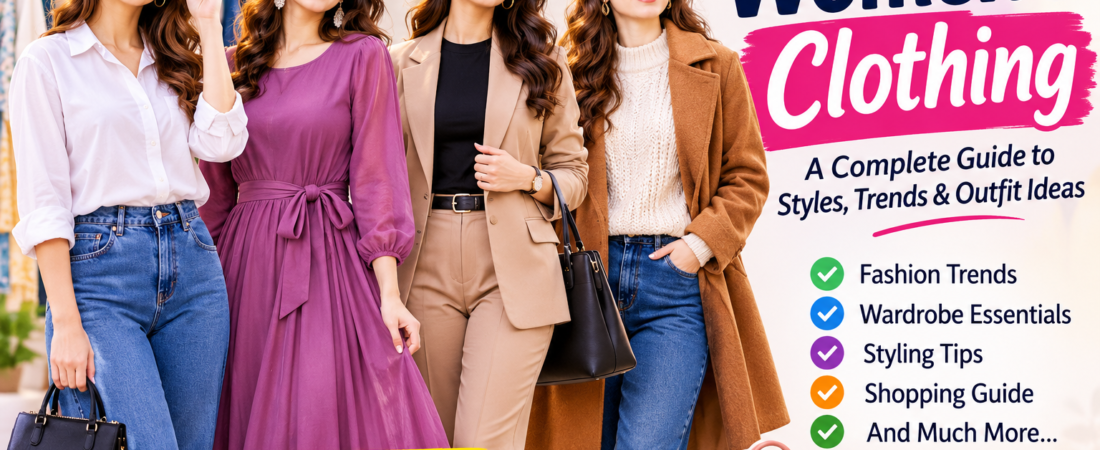
Fashion is more than just wearing beautiful clothes. It is a way to express personality, feel comfortable, and create a look that matches different moments in life. The right women’s clothing can make everyday activities easier while helping women feel confident in their personal style.
From casual outfits and elegant dresses to professional workwear and comfortable everyday essentials, women’s fashion offers endless possibilities. However, choosing the right clothes is not always easy. Fabric, fit, color, personal preferences, and lifestyle all play an important role.
Whether you are refreshing your wardrobe, exploring new fashion trends, or looking for outfit inspiration, understanding different clothing styles can help you make better choices. This guide explores popular women’s clothing options, essential wardrobe pieces, styling tips, and practical ways to create outfits for different occasions.
Understanding Women’s Clothing and Fashion
Women’s clothing includes a wide range of garments designed for different occasions, seasons, activities, and personal preferences. It covers everything from basic everyday pieces to fashionable outfits for special events.
Some women prefer simple and comfortable outfits, while others enjoy experimenting with colors, patterns, and modern designs. There is no single way to dress because personal style depends on individual taste and lifestyle.
The most important thing is finding clothes that offer a good balance of comfort, quality, appearance, and practicality.
Modern women’s fashion also focuses on versatility. Many clothing pieces can be styled in several ways, allowing you to create different outfits without purchasing an entirely new wardrobe.
Popular Types of Women’s Clothing
Understanding different clothing categories makes it easier to find outfits that suit your needs.
1. Casual Clothing
Casual clothing is ideal for everyday activities, shopping, meeting friends, and relaxing. It usually focuses on comfort and easy styling.
Popular casual options include:
- T-shirts and basic tops
- Jeans and denim trousers
- Leggings
- Casual dresses
- Sweatshirts and hoodies
- Comfortable sneakers
A simple combination of jeans, a well-fitted top, and comfortable shoes can create an effortless everyday look.
2. Formal and Professional Clothing
Professional clothing is designed for workplaces, business meetings, and formal occasions. These outfits often feature clean designs, structured fits, and classic colors.
Common choices include tailored trousers, blazers, formal shirts, pencil skirts, and elegant dresses.
Neutral shades such as black, navy, beige, and white are particularly useful because they are easy to combine with other wardrobe pieces.
3. Dresses and Occasion Wear
Dresses are among the most versatile options in women’s fashion. Different cuts, fabrics, and lengths make them suitable for casual outings, parties, weddings, and formal events.
Popular styles include:
- Maxi dresses
- Midi dresses
- Mini dresses
- Wrap dresses
- A-line dresses
- Evening gowns
When selecting a dress, consider the occasion, weather, fabric, and the level of comfort you want.
4. Seasonal Clothing
Weather plays an important role in choosing the right outfit. Seasonal clothing helps you stay comfortable while adapting your wardrobe throughout the year.
For warmer months, lightweight cotton dresses, breathable tops, shorts, and linen trousers are practical choices.
During colder seasons, sweaters, coats, jackets, cardigans, and layered outfits provide additional warmth.
Choosing suitable fabrics can make a significant difference in how comfortable an outfit feels.
How to Choose the Right Women’s Clothing
Finding clothing that looks good and feels comfortable requires more than following fashion trends. A few practical considerations can help you make smarter decisions.
Consider Your Body Measurements and Fit
Clothing should fit comfortably without restricting movement. Pay attention to measurements around the shoulders, waist, hips, and length of the garment.
Different brands may use different sizing systems, so checking individual size charts before purchasing online is helpful.
Rather than focusing only on a particular size label, choose garments that fit your measurements and personal preferences.
Choose Comfortable Fabrics
Fabric quality affects comfort, durability, and the overall appearance of clothing.
Cotton is popular for everyday wear because of its breathability. Linen is useful in warm weather, while wool provides warmth during colder months. Denim is a common option for durable casual outfits.
Understanding fabric properties can help you select clothes that suit your climate and daily activities.
Pay Attention to Colors
Colors can change the overall appearance of an outfit. Neutral shades such as white, black, grey, beige, and navy are easy to coordinate.
You can also introduce brighter colors through tops, dresses, scarves, handbags, or other accessories.
A balanced wardrobe usually includes a combination of versatile neutrals and a few colors that reflect your personal style.
Essential Women’s Clothing for Every Wardrobe
Building a useful wardrobe does not require purchasing dozens of outfits. A collection of versatile basics can help you create many different combinations.
Consider including these essentials:
- Basic T-shirts for everyday outfits.
- Well-fitting jeans for casual styling.
- Comfortable trousers for work and daily activities.
- A classic shirt for smart-casual occasions.
- A versatile dress for different events.
- A cardigan or jacket for layering.
- Comfortable footwear for regular use.
- A few accessories to complete different looks.
The advantage of wardrobe essentials is that they can be mixed and matched. For example, a classic white shirt can work with jeans for a relaxed outfit or tailored trousers for a more professional appearance.
Women’s Clothing Trends and Styling Ideas
Fashion trends change over time, but good styling does not always require following every new trend.
A practical approach is to combine timeless clothing pieces with a few modern elements.
Minimalist Fashion
Minimalist outfits focus on simple designs, clean lines, and coordinated colors. Neutral tops, tailored trousers, classic dresses, and understated accessories are common elements of this style.
Layered Outfits
Layering allows you to combine different clothing pieces while creating depth and visual interest. A shirt under a sweater, a jacket over a casual dress, or a cardigan with jeans can create a balanced outfit.
Relaxed and Comfortable Styles
Relaxed clothing continues to be a practical choice for daily activities. Loose-fitting shirts, wide-leg trousers, comfortable denim, and casual dresses offer flexibility without sacrificing personal style.
Accessories and Finishing Touches
Accessories can transform a simple outfit. Belts, handbags, jewelry, sunglasses, and scarves add personality and help create a more complete appearance.
The key is to choose accessories that complement the outfit rather than overwhelm it.
How to Build a Versatile Wardrobe
A versatile wardrobe makes getting dressed easier because most pieces work well together.
Start by identifying the clothing you wear most frequently. Consider your daily routine, workplace requirements, climate, and favorite styles.
Next, choose a consistent color palette. This makes it easier to combine different tops, trousers, skirts, and outerwear.
You should also consider the quality and usefulness of each item before purchasing it. A well-made basic piece that you wear regularly may provide more value than an outfit bought only for a short-lived trend.
Finally, review your wardrobe occasionally. Remove items that no longer fit your needs and identify any missing essentials before shopping again.
Tips for Shopping for Women’s Clothing
Shopping becomes easier when you know what you need and what to look for.
Here are some useful tips:
- Know your measurements: Check size charts before ordering clothing online.
- Read fabric information: Understand the material, washing instructions, and care requirements.
- Compare quality: Look at stitching, seams, fabric thickness, and finishing.
- Think about versatility: Choose items that can be styled with clothing you already own.
- Set a budget: Decide how much you want to spend before shopping.
- Check return policies: Understand exchange and return conditions when buying online.
- Prioritize comfort: Make sure the clothing suits your everyday needs.
Shopping with a clear idea of your preferences can reduce unnecessary purchases and help you build a wardrobe that you genuinely enjoy wearing.
Frequently Asked Questions About Women’s Clothing
What are the most popular types of women’s clothing?
Popular categories include casual clothing, dresses, jeans, tops, formal wear, seasonal outfits, skirts, and comfortable everyday essentials. The best options depend on personal style and lifestyle.
How can I choose comfortable women’s clothing?
Look for suitable fabrics, accurate measurements, comfortable fits, and designs that allow easy movement. Cotton, linen, and other breathable materials can be useful for everyday wear.
What are the essential clothing items every woman should own?
Useful wardrobe basics include T-shirts, jeans, comfortable trousers, a classic shirt, a versatile dress, a jacket, and comfortable footwear. These items can be combined to create different outfits.
How can I create stylish outfits on a budget?
Focus on versatile basics, choose clothing that matches multiple existing pieces, compare prices, and avoid purchasing items simply because they are trending.
How often should I update my wardrobe?
There is no fixed schedule. Review your wardrobe whenever your lifestyle, clothing needs, or personal preferences change. Replace worn-out essentials and add new pieces only when they provide practical value.
Final Thoughts
Choosing the right women’s clothing is about finding pieces that match your personality, daily routine, and comfort preferences. A well-planned wardrobe does not need to be expensive or complicated. It simply needs to include clothing that works for different situations and makes you feel confident.
By understanding clothing categories, choosing suitable fabrics, focusing on proper fit, and combining timeless essentials with personal styling choices, you can create outfits that are both practical and fashionable.
Ultimately, the best wardrobe is one that reflects your individual style and makes everyday dressing easier.